Responsible AI, Sovereignty & Policy Harmonization for the Global South
Grounding East African AI governance and Global South research sovereignty in Ubuntu, Harambee, and Ujamaa principles alongside comparative policy audits and cross-border oversight mechanisms.
Scientific Context & Approach
East African nations frequently adopt imported Western regulatory templates because of external isomorphic pressure rather than local institutional fit. Ignoring communal values such as Ubuntu, Harambee, and Ujamaa widens compliance gaps and deepens technological dependency.
This research stream compares national AI strategies across Ethiopia, Kenya, Rwanda, and broader Global South cohorts, pairs them with seven-dimensional sovereignty metrics (compute, data governance, human capital, regulation, investment, trust, and sanction resilience), and formulates regional coordination across water commons, power grids, indigenous languages, and shared AI oversight.
Core Technical Objectives
- Trace structural compute, platform, and regulatory dependencies shaping AI autonomy across Global South economies.
- Audit policy divergence across Ethiopia (2022), Rwanda (2023), and Kenya (2025) to identify regional harmonization pathways.
- Anchor continental oversight and public-interest AI infrastructure in Ubuntu, Harambee, and Ujamaa principles.
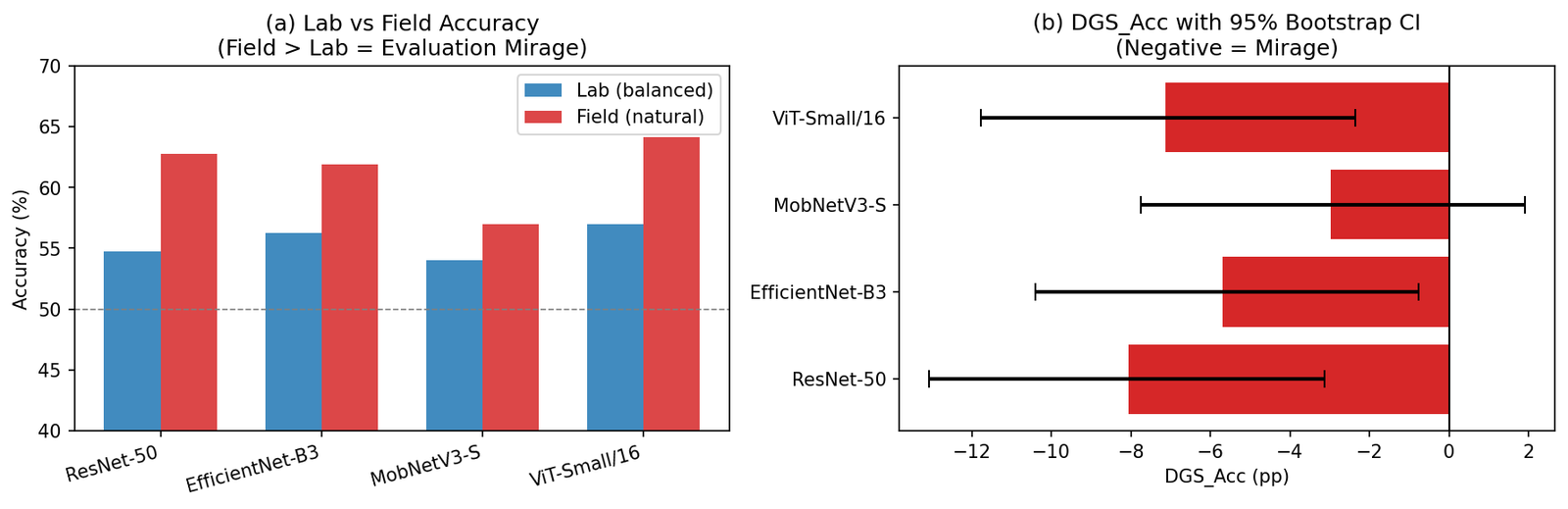
- Evaluate research sovereignty metrics and farmer proximity as quantitative predictors of real-world deployment.
Verified Deliverables & Outputs
- East African AI policy harmonization agenda presented at Oxford TAIS 2026
- Seven-dimensional AI sovereignty governance framework (AAAI 2026 EGSAI & EurIPS PAIG)
- Empirically grounded resistant digital citizenship taxonomy (Information Technology for Development)